Suzy Rent joins NVIDIA Inception Program to modernize renting in the Philippines
6 min read
08/21/2026Loading...
Loading...
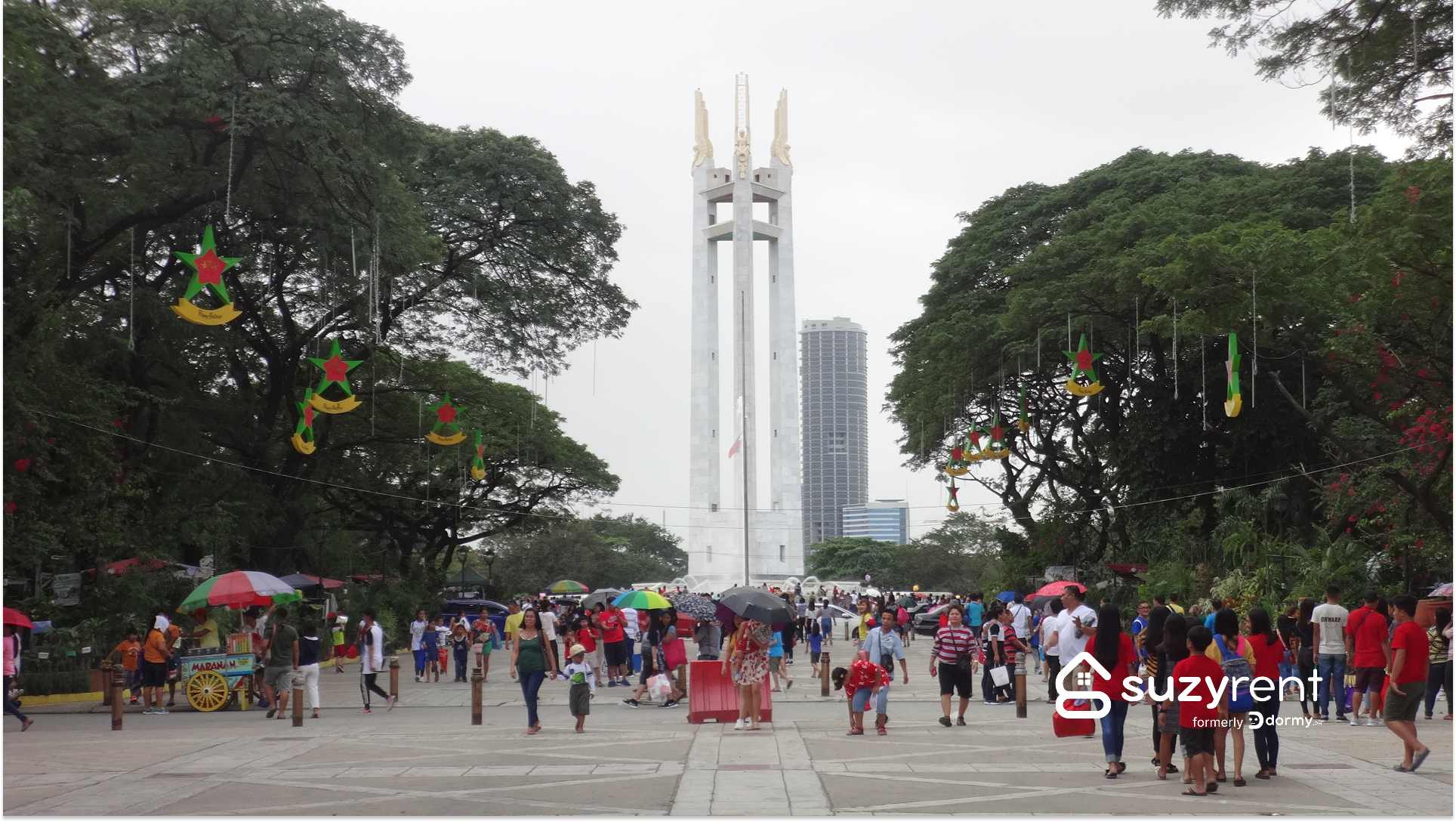
Quezon City is moving forward with new in-city rental housing projects for informal settler families, including residents currently living near waterways and other danger zones.
The Department of Human Settlements and Urban Development and the Quezon City government signed two memorandums of agreement on February 3, 2026, covering proposed medium-rise rental housing developments in Sauyo and Bagong Silangan. The projects will be implemented under the Expanded Pambansang Pabahay para sa Pilipino, or 4PH, Program.
According to DHSUD, the two Quezon City projects are expected to benefit around 2,900 individuals. The developments are also planned to include basic utility systems such as roads, power, drainage, and water distribution.
For a city where housing pressure, flooding risks, and relocation challenges often overlap, the move is notable because it focuses on in-city rental housing instead of pushing vulnerable families farther away from jobs, schools, transport, and community networks.
Under the agreement, Quezon City identified sites in Sauyo and Bagong Silangan for rental housing. DHSUD will support the construction of medium-rise buildings under the Expanded 4PH Program.
The target beneficiaries are informal settler families, particularly those living along waterways and danger zones. These areas are often the most exposed during heavy rains, flooding, and other urban hazards.
The projects are still being finalized, but the inclusion of roads, power, drainage, and water distribution is important. Housing is not just about putting up buildings. For rental housing to work, residents need safe access, reliable utilities, and basic infrastructure that can support everyday life.
For many informal settler families, relocation can mean more than moving houses. It can mean losing access to work, schools, public transport, childcare, and nearby support systems.
That is why in-city housing is a major point in this development. Instead of relocating families to distant sites, the Quezon City projects aim to provide rental housing within the city itself.
For renters and housing watchers in Metro Manila, this also signals a broader shift in how government housing is being framed. The focus is no longer limited to ownership. Rental housing is now being positioned as one of the options for families who may not yet be ready or able to purchase a home.
DHSUD has described rental housing as one of the newer modalities under the Expanded 4PH Program. The program is being widened to serve different types of beneficiaries, including informal settler families, informal sector workers, low-income earners, and members of the working class.
This matters because not every Filipino household can immediately afford a mortgage, even under subsidized terms. A rental model can serve as a more flexible housing pathway, especially for families with unstable income or those transitioning out of unsafe settlements.
The Quezon City projects are part of this wider rollout. Aside from Sauyo and Bagong Silangan, DHSUD has also identified Marilag Residences inside UP Diliman as the first rental housing project under Expanded 4PH.
Marilag Residences, located within the UP Diliman campus, has already started initial site works and is expected to benefit at least 3,000 individuals.
Earlier information from the University of the Philippines describes the project as a rental housing development in Pook Marilag, Quezon City. It is planned as condominium-style housing, with three four-storey buildings. The project is intended to support long-time informal settler families within the campus, along with members of the university community.
Taken together, Marilag Residences and the new Quezon City agreements suggest that rental housing is becoming a more visible part of the national housing agenda.
For ordinary renters, this news sits inside a much larger housing story.
Metro Manila continues to face a mismatch between where people need to live and what they can afford. Many workers and students search for a room for rent, apartment for rent, or condo for rent near schools, offices, hospitals, and transport hubs. At the same time, lower-income families face even fewer options, especially when they are living in unsafe areas or informal settlements.
Government rental housing will not solve the whole housing affordability problem on its own. But it does show that rental supply is now being discussed as part of public housing, not just as a private-market issue.
That distinction matters. In a city where ownership is often treated as the default dream, rental housing can still provide something essential: stability, safety, and proximity.
The key details to watch are the final project designs, number of units, rental terms, eligibility rules, construction timeline, and beneficiary selection process.
For affected communities, transparency will matter. For the public, the question is whether these projects can be delivered at scale while keeping rents affordable and locations practical.
If implemented well, the Quezon City rental housing projects could become an important model for safer, more accessible, and more realistic urban housing in Metro Manila.
For now, the signing of the agreements marks a clear signal: in-city rental housing is no longer just a side conversation. It is becoming part of the government’s formal housing response.
References:
[1] DHSUD, QC to start in-city rental housing for informal settler families. https://dhsud.gov.ph/news/dhsud-qc-to-start-in-city-rental-housing-for-informal-settler-families
[2] UP, DHSUD to address informal settlements in UPD. https://up.edu.ph/up-dhsud-to-address-informal-settlements-in-upd/
[3] Expanded 4PH covers working class, ISFs with more housing options. https://www.pna.gov.ph/articles/1268232